Here’s the part most readers skip, so don’t skip it.
Twenty-three people wrote this book. Executives, entrepreneurs, academics, coaches. They come from seven countries on four continents: the United States, England, Ireland, and New Zealand, and here at home in Bahrain, Saudi Arabia, and Oman. Every one of them could have kept these lessons to themselves. Instead, they wrote them down for a reader they will never meet. That reader is you.
So use them! Tell them what their chapter did for you. Ask them about the problem keeping you up at night. Invite them to speak to your team. The chapter is the start of the conversation, not the end of it.

Mohamed Isa
Chapter 1: From Boardrooms to Base Camps: A Field Guide for Managers
Leadership keynote speaker, Amazon bestselling author, and former Chief Financial Officer of a dual-listed investment bank. He stood at Everest Base Camp in May 2022, and he edited this book.
“Self-awareness is not what you discover at a retreat. It is what you finally admit about where you can and cannot work.”
“Legacy is what works after you stop working on it.”
“Do not promote yourself to an altitude you have not acclimatized to.”
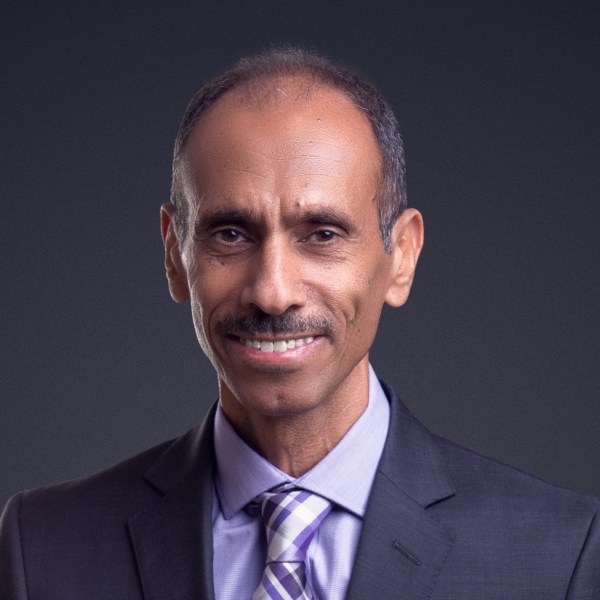
Abdulla Abandi
Chapter 2: Laughing Matters: How Humor Separates Leaders from Mood Killers
Professional speaker, leadership coach, and author who spent more than 30 years with Saudi Aramco. A four-time humorous speech champion and author of The Humor Rx for Speakers: 77 Tips to Make Them Laugh.
“In reality, humor is not the opposite of professionalism. It is the opposite of fear.”
“People do not follow titles. They follow leaders who make them feel safe enough to speak, and sometimes safe enough to laugh.”
“Humor is not about being funny. It is about being human.”

Asaad AlShehabi
Chapter 3: Risk Management in IT: Preventing “Bad Things” From Happening
IT strategist with over 15 years in Bahrain’s financial services sector. He started out as an IT teacher, and he still leads by one rule: “Always be the leader you wished you had.”
Contact details at the end of Chapter 3.
“Time is the enemy of any project; most projects fail because of this.”
“Quite often, out of fear of looking bad, project managers will try to portray a rosy picture of the project’s status.”
“The role of a control function, such as a risk management team, should always be seen as an extra layer of protection and not as ‘mistake hunters.’”

Batool Alalawi
Chapter 4: Better by 1%: The Kaizen Principle That Changed My Career
She started working before most of her classmates finished university and studied in the evenings until she earned her MBA. Today she is a Senior Analyst at one of Bahrain’s largest banks.
“Everybody knows the person they want to be; unfortunately, it’s not always easy to be that person every day.”
“I always try to be a good listener, giving employees the space to share their challenges because sometimes being heard is the first step to improvement.”
“Motivation is necessary to keep working towards your goals; be your own source of motivation and stop waiting for others to do it for you.”

Dr. Chris (Noor) Coutts
Chapter 5: From Setback to Comeback: How to Recover Your Business in Extraordinary Times
Freelance education consultant who advised Bahrain’s Economic Development Board on educational reform and helped deliver Bahrain Polytechnic’s programs. She has lived through floods, earthquakes, and political disruption firsthand.
Contact details at the end of Chapter 5.
“The most effective leaders have a strong vision and show both strength and compassion in their actions.”
“It is a mistake to think that mental resilience means mental toughness. It is okay to have a cry.”
“Remember, paying your bills is a great way to demonstrate confidence; you cannot ask a client to support your business if you are nervous about supporting yourself.”
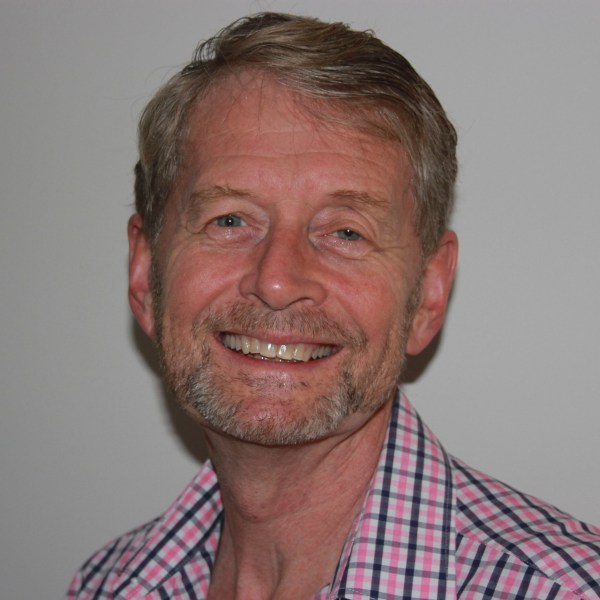
Michael Carding
Chapter 5: From Setback to Comeback: How to Recover Your Business in Extraordinary Times
Business coach and management mentor in the South Island of New Zealand. He was based in Christchurch through the 2010 and 2011 earthquakes and saw firsthand how small businesses survive.
Contact details at the end of Chapter 5.
“The most effective leaders have a strong vision and show both strength and compassion in their actions.”
“It is a mistake to think that mental resilience means mental toughness. It is okay to have a cry.”
“Remember, paying your bills is a great way to demonstrate confidence; you cannot ask a client to support your business if you are nervous about supporting yourself.”

Danah Isa
Chapter 6: We Grew Up with the Playbook: What Gen Z Wants Your Brand to Understand
Brand Strategist who builds brand identities that feel intentional, memorable, and emotionally engaging. Self-taught in After Effects and Illustrator.
“A trend can make me look. A feeling can make me remember.”
“An ad is one moment. A brand is the memory that a moment leaves behind.”
“The old playbook says to follow what is already working. The better one is to build something people can recognize as yours.”

Duaa Alajmi
Chapter 7: When Change Stops Being a Project
Bahraini HR & Administration Advisor with more than twenty years leading HR transformation across Bahrain, Saudi Arabia, the UAE, and Kuwait, including a holding group of 16 companies and over 4,000 employees. She is also a tourism media professional and Peace Ambassador.
“Change has stopped being a project. It has become the operating mode.”
“The promises become smaller. The honesty has to grow larger.”
“When change stops being a project, management stops being administration. It becomes the most strategic capability inside the company.”

Fatema Altahoo
Chapter 8: Process Power: 30 Six Sigma Boosters You Can Use This Week
Operational excellence professional and certified Six Sigma Green Belt. She is President of the ICF Bahrain Chapter and a Board Member of the Bahrain Society for Human Capital Management.
“That is what Six Sigma power is all about: small interventions that lead to long-term performance improvements.”
“When service breaks down, the visible problem is rarely the real one.”
“You don’t need all 30 tools at once; just three to five can be applied this week.”

Mohamed Al Tajer FCIM
Chapter 9: The Outsider’s Advantage: Why the Most Effective Leaders Stay Uncomfortable
Co-Founder and Managing Partner of Taghyeer Consulting. Over thirty years and more than fifty countries, he held senior roles at Citigroup, NBK, Gulf Air, Wrigley/Mars, Unilever, and Majid Al Futtaim.
“The uncomfortable conclusion is this: experience improves efficiency but can degrade adaptability.”
“Abundance often masks inefficiency. Constraints expose it.”
“Culture is not what organizations say about themselves. It is what leaders do when it is inconvenient.”

Dr. Hanan Albuflasa
Chapter 10: Can You Defend It? Seven Tools for the Moment Your Title Is Tested
Academic leader and renewable energy expert, and former Acting Director General of Energy Efficiency at Bahrain’s Ministry of Electricity and Water Affairs. UN Women named her Bahrain’s most prominent scientist in sustainability.
Find Hanan on LinkedIn, or see her contact details at the end of Chapter 10.
“Most ‘people problems’ are design problems wearing a name tag.”
“One person’s complaint is a mood. Three people’s complaints are a measurement.”
“When all your managers agree, that’s a hypothesis, not a verdict.”

Amani Albuflasa
Chapter 10: Can You Defend It? Seven Tools for the Moment Your Title Is Tested
Public relations consultant, trainer, and content specialist with more than twenty years in corporate communications across the public and private sectors. Much of her work has involved briefing senior leaders and shaping institutional messaging.
“Most ‘people problems’ are design problems wearing a name tag.”
“One person’s complaint is a mood. Three people’s complaints are a measurement.”
“When all your managers agree, that’s a hypothesis, not a verdict.”

Jillian Godsil
Chapter 11: Be Your Own PR Agent
Award-winning Irish journalist, broadcaster, and author. As Founder and Editor-in-Chief of Blockleaders, she has profiled more than 250 founders and innovators.
“Building a personal brand can feel like a big, daunting project. It isn’t. You already have the ingredients: your skills, your passions, your story.”
“The beauty of a personal brand is that it compounds. Every article you write, every event you attend, every comment you leave builds on the last.”
“And you’ll realize the brand was always you. You just made it visible.”

Dr. Moaiad Almousa
Chapter 12: Ethical Leadership in Times of Crisis
Entrepreneur and educator with over two decades in organizational development and business management. He holds a Ph.D. in Management, and his research covers ethical leadership and organizational justice.
“Silence does the opposite: it leaves a vacuum that rumor fills, usually with a version far worse than the truth.”
“There is a difference between blame and accountability. Blame looks backward and asks who is at fault; accountability looks forward and asks what we do now.”
“Putting people first is not the opposite of protecting the business; over any meaningful horizon, it is how the business is protected.”
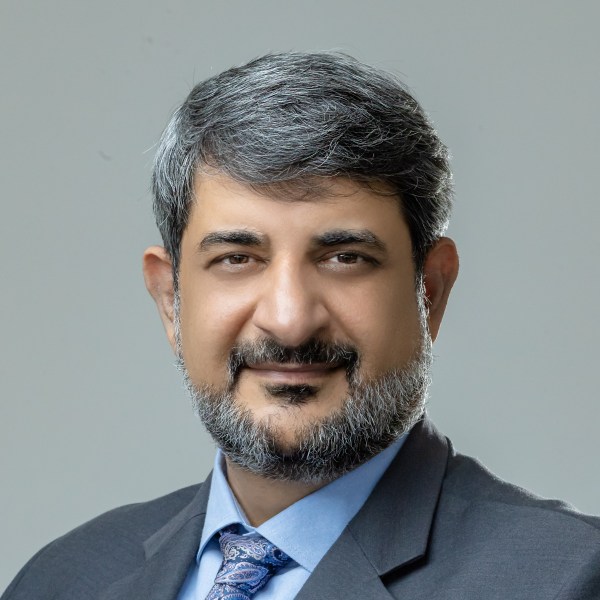
Mohamed Shukri
Chapter 13: Managing the Inner Mix: Why the Uncopiable Always Wins
Leadership consultant, executive coach, and author with over two decades across the GCC and beyond. He wrote You Are The One And Only (O.A.O).
“But uniqueness does not come from reduction. It comes from composition.”
“Uniformity feels efficient. Diversity, when managed well, is unstoppable.”
“Great managers don’t create stars. They create constellations.”

Nabeel Radhi
Chapter 14: Preparation, People, and the Power of Action
Entrepreneur who co-founded Green Innova in renewable energy and FACEKI in fintech. He advises the Industry and Energy Committee of the Bahrain Chamber of Commerce and Industry.
“Opportunities do not reward intention. They reward preparation.”
“Listening is not a weakness. It is leadership intelligence.”
“Management is not learned only by reading; it is learned by doing.”
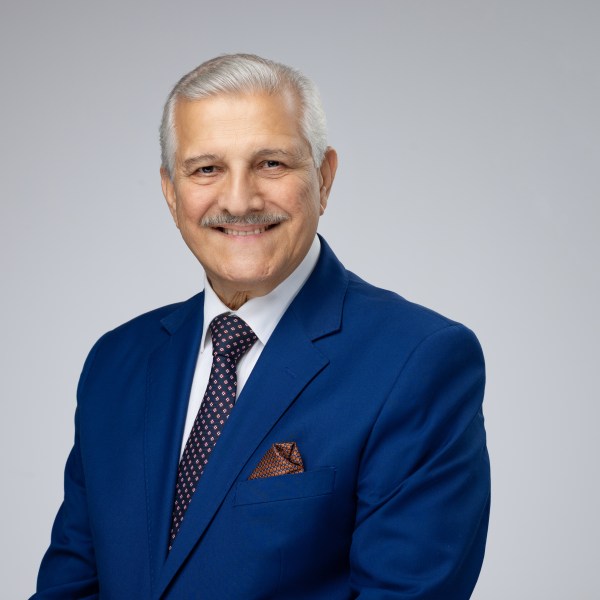
Professor Saad Darwish
Chapter 15: Crisis Management and Business Continuity Planning in Building Organizational Resilience
Professor of Business Administration at Kingdom University in Bahrain, with more than four decades in education. He has written six books and more than one hundred refereed papers.
Contact details at the end of Chapter 15.
“The field of crisis management is undergoing a core transformation from passive post-incident response to proactive pre-event preparedness.”
“No two crises are equal, and different types demand different responses.”
“Building business continuity is never an optional supplementary disaster preparedness plan; rather, it is an essential foundational capability that underpins an enterprise’s long-term competitiveness.”
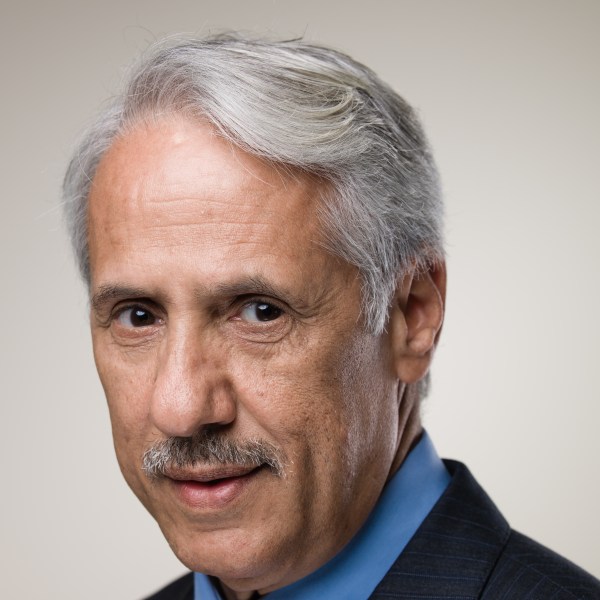
Saleh Hussain
Chapter 16: The Checklist Won’t Save You
Founder of Saleh Hussain Consultancy, a Bahrain-based corporate governance firm, and a banker for more than fifty years. He has written more than thirty books.
“The form was flawless. The substance was hollow. That, in a single line, is the story of 2008.”
“A governance system is not a monument you build once and admire. It is a living thing.”
“The checklist is the floor, not the ceiling. It proves you showed up. It does not prove you can be trusted.”
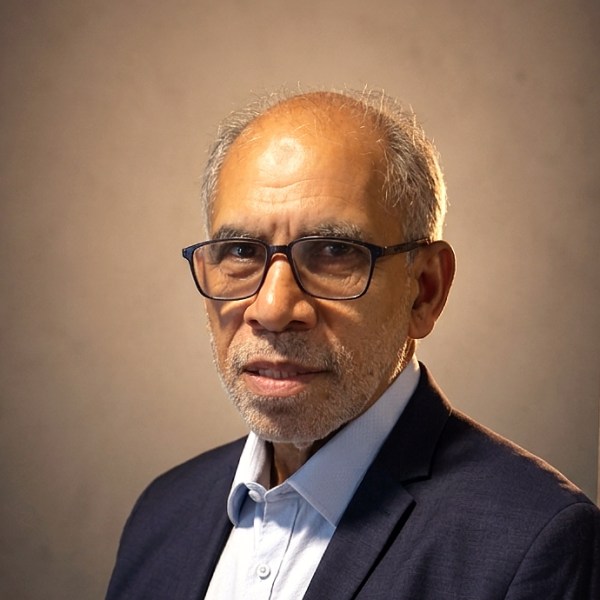
Dr. Salman Alfardan
Chapter 17: From Diversity to Total Inclusiveness
Coach with more than two decades in human development and holder of the ICF’s Professional Certified Coach credential. He was founder and first president of the ICF Bahrain Chapter.
“Whether we recognize it or deny it, diversity is a natural given of the universe.”
“Everyone in the workforce carries the organization’s genes and affects it.”
“Organizations have to transform from knowing to being, from merely talking about diversity to actively fostering inclusion.”
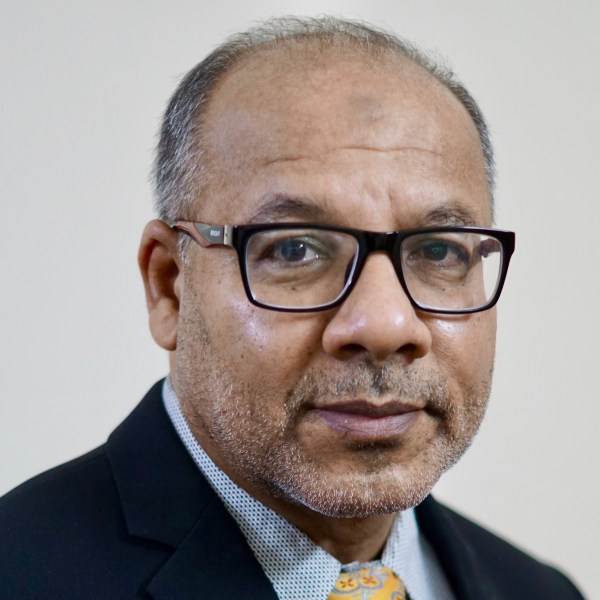
Sayed Bader Alawi
Chapter 18: The SACRED Leader
Certified Project Management Professional who led roads programs at Bahrain’s Ministry of Works, rising to Director of Roads Projects and Maintenance. Author of Risk and Stakeholder Management in Mega Projects.
Contact details at the end of Chapter 18.
“This feeling of insecurity generates anxiety, which is a major killer of creativity and focus.”
“Placing figures above people in priority will erode trust and eventually lead to failure.”
“Many organizations fail because their bosses fail with people. The best thing you can do in difficult times is to invest in your own employees.”

Steve Royston
Chapter 19: Will Values Make a Comeback, and Did They Ever Go Away?
Born in England, with a fifty-year career in Britain, the United States, continental Europe, and the Middle East as a manager, business owner, and independent consultant.
“In my experience, these proclamations say more about the expectations of the organization’s leaders than the personal values of those who work in it.”
“In the real world, change is often less the product of a grand vision. More often, it’s a murky process of groping in the dark and taking calculated risks.”
“The illusion of progress, like the artificial values on a company website, is hardly a recipe for solving problems today, but an excellent way of bequeathing them to the next generation.”
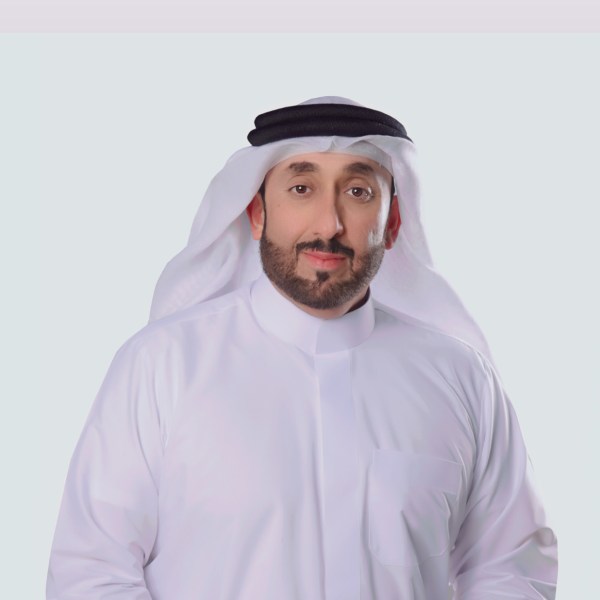
Yasser Al Salman
Chapter 20: From Corporate Success to Entrepreneurial Purpose: Rethinking the Transition to Your True Calling
CEO of Taiba Attorneys Legal & Management Consultants and Najiz for Execution in Bahrain. Before founding his firms, he was HR Director at Arab Insurance Group (ARIG).
“The transition is not about doing more; it is about carrying more weight.”
“Corporate environments externalize risk. Entrepreneurial environments internalize it.”
“In leadership, what you tolerate becomes culture. And culture, over time, becomes strategy.”

Zainab Rasool
Chapter 21: Crafting Your Personal Brand
Researcher, marketing strategist, business consultant, and PR practitioner with an MBA in Marketing. She founded her own business and is a partner in another.
Contact details at the end of Chapter 21.
“At its core, self-branding is about being yourself and showcasing your unique qualities.”
“Logos, bios, and well-chosen keywords help your audience find you. A compelling story is what keeps them coming back.”
“If storytelling is your brand’s soul, visual branding is its first handshake.”

